
AI & Automation
We give your product the ability to think, learn, and act intelligently.
Our AI and automation services add value, reduce costs, and unlock new capabilities.
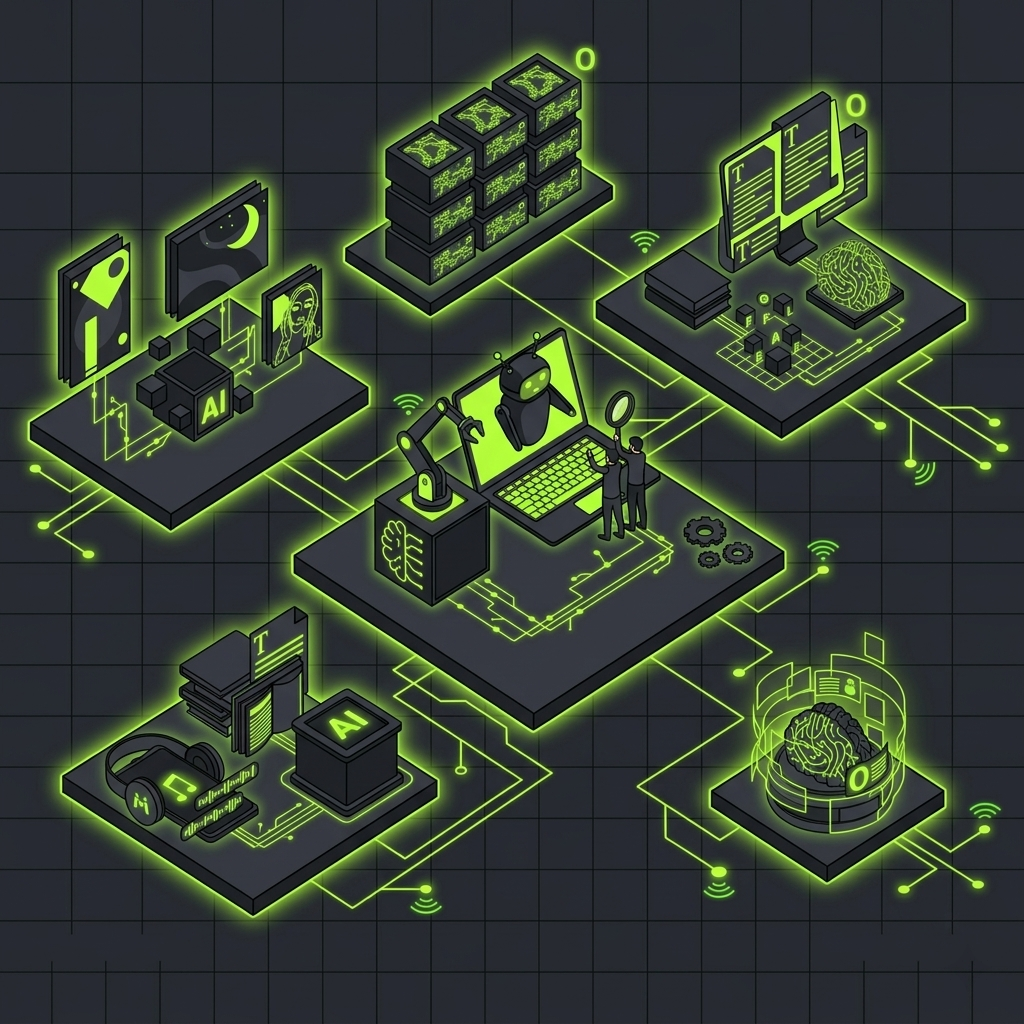
Enterprise-Level AI Features
Predictive Analytics & Failure Detection
Machine learning models are used to recognize patterns and predict failures early.
Intelligent Decision Algorithms
These systems allow products to make independent decisions based on:
• Sensor data
• Environmental conditions
• Learned behavior
• Historical trends
Computer Vision & Video Intelligence
We enable devices to see, analyze, and respond to visuals.
Applications include:
• Industrial inspections
• Behavior monitoring
• Face recognition
• Object classification
Automation & Smart Control Systems
We create automated logic to improve performance:
• Smart energy management
• Self-adjusting parameters
• Schedule-based automation
• Condition-based responses
Operational Efficiency Optimization
AI helps reduce:
• Downtime
• Maintenance cost
• Energy consumption
• Manual labor
FAQ's
What types of AI features can you integrate into a product?
We integrate practical, application-focused AI such as predictive analytics, anomaly detection, intelligent decision logic, computer vision, and automated control systems. The goal is to improve performance, reduce manual intervention, and enable smarter product behavior.
How does predictive analytics help in real-world systems?
Predictive models analyze sensor data and historical trends to detect patterns that indicate potential failures or inefficiencies. This allows systems to trigger alerts or take action before issues occur, reducing downtime and maintenance costs.
Can your systems make decisions automatically without user input?
Yes. We design intelligent decision algorithms that allow systems to respond dynamically based on sensor inputs, environmental conditions, and predefined logic. This includes automated adjustments, safety responses, and condition-based actions.
Do you support computer vision and image-based analysis?
Yes. We develop vision-enabled systems for applications such as inspection, object detection, behavior monitoring, and recognition tasks. These systems can process visual data in real time and trigger actions based on what they detect.
What kind of automation can be implemented in products?
We implement automation such as energy optimization, self-adjusting system parameters, scheduled operations, and condition-based control. These features improve efficiency and reduce the need for manual operation.
How does AI improve operational efficiency and cost?
AI-driven systems help reduce downtime, lower maintenance costs, optimize energy usage, and minimize manual labor. This results in more reliable operations and long-term cost savings for your product or business.