Businesses today are no longer limited to managing machines, sensors, and equipment from one physical location. Whether a company operates smart devices, industrial machines, energy systems, agriculture equipment, building automation units, or field-deployed sensors, the need for remote control and real-time visibility has become more important than ever.
A few years ago, if a device stopped working at a customer site or in the field, a technician often had to visit the location just to check the issue. This wasted time, increased maintenance cost, and delayed operations. Now, with a proper IoT remote management solution, businesses can monitor, control, update, and troubleshoot connected devices from anywhere.
This is one of the biggest advantages of modern IoT technology. It gives companies better control over their devices, improves service quality, reduces downtime, and helps teams make faster decisions based on live data.
At DevoForge, we help businesses build connected IoT systems, custom dashboards, embedded firmware, cloud platforms, and IoT application development services that make remote device management practical and reliable.
What Is an IoT Remote Management Solution?
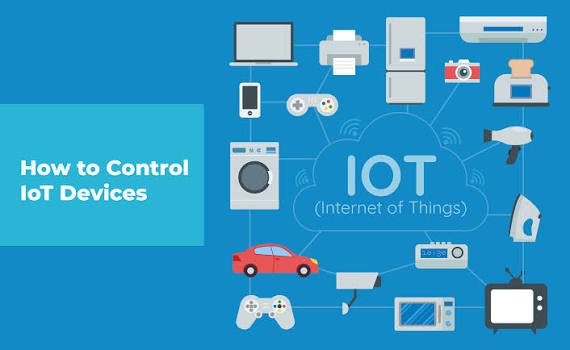
An IoT remote management solution is a system that allows businesses to monitor and control connected devices through the internet. These devices may include sensors, controllers, machines, smart meters, industrial equipment, pumps, motors, environmental monitors, energy systems, or custom embedded devices.
The system usually includes three major parts: the physical device, the communication network, and the software platform.
The device collects data through sensors or internal hardware. The communication layer sends that data to a cloud server or application. The dashboard or mobile app allows users to see the data, control the device, receive alerts, and manage performance.
For example, a smart industrial controller may send temperature, voltage, current, pressure, fault status, and runtime data to an online dashboard. The business owner or technical team can check the device status from a laptop or phone without visiting the site.
This makes IoT device management faster, smarter, and more cost-effective.
Why Businesses Need Remote IoT Monitoring
Remote IoT monitoring is useful because many devices are not easy to access physically. They may be installed in factories, farms, warehouses, energy sites, buildings, outdoor locations, or customer premises.
Without remote monitoring, teams often depend on manual inspection. This creates delays and makes it difficult to detect problems early.
A good IoT remote management solution helps businesses answer important questions:
Is the device working right now?
Is the machine running under safe conditions?
Has any sensor crossed the warning limit?
Is the equipment using too much energy?
Did the device lose internet connection?
Does the system need maintenance?
Can we update the device without visiting the site?
When these questions can be answered remotely, the whole operation becomes easier to manage.
How IoT Remote Management Works
A remote IoT system starts with smart hardware. This may include a microcontroller, sensors, communication modules, relays, power monitoring circuits, or industrial interfaces.
The device collects data from the field. This data may include temperature, humidity, pressure, location, machine status, power consumption, vibration, water level, motor status, or fault codes.
The device then sends this data through Wi-Fi, GSM, LTE, Ethernet, LoRa, or another communication method. The data is received by an IoT cloud platform or custom server.
From there, users can access the information through a web dashboard or mobile application. They can view device status, check historical data, receive alerts, and in some cases send commands back to the device.
This command feature is what makes remote device control powerful. A user may restart a device, change a setting, turn equipment on or off, update firmware, or adjust operating limits without being physically present.
Key Features of the Best Remote IoT Device Management Software
When businesses look for the best remote IoT device management software, they should not focus only on appearance. A good platform must be reliable, secure, scalable, and easy to use.
Some of the most important features include:
Real-Time Device Monitoring
The software should show live device status. Users should be able to see whether devices are online, offline, active, idle, or in fault condition.
Real-time monitoring helps teams respond quickly before small issues become serious failures.
Remote Control
The platform should allow authorized users to send commands to devices. This may include turning equipment on or off, changing settings, resetting alarms, or adjusting limits.
Remote control is especially useful for industrial IoT solutions, smart agriculture, energy systems, machine automation, and remote equipment monitoring.
Alerts and Notifications
A strong IoT platform should send alerts when something goes wrong. These alerts can be sent through email, SMS, mobile app notifications, or dashboard warnings.
For example, the system may alert users when temperature is too high, voltage is too low, a device goes offline, or a motor fault is detected.
Device Health Tracking
Device health monitoring helps businesses understand the condition of their equipment. The system can track uptime, signal strength, battery level, sensor status, error history, and communication quality.
This helps technical teams plan maintenance instead of waiting for unexpected breakdowns.
Data Logging and Reports
IoT data is valuable only when it is stored and presented clearly. The software should provide historical data, charts, reports, and performance trends.
This helps managers understand long-term patterns and make better decisions.
Secure User Access
Security is critical in IoT. The platform should support controlled user access, authentication, role-based permissions, and secure communication.
Not every user should have full control over every device. A technician may need access to maintenance data, while a manager may only need reports.
Firmware Updates
For many IoT products, remote firmware updates are extremely useful. They allow businesses to fix bugs, improve features, and update devices without physically collecting them.
This feature becomes more important as the number of deployed devices grows.
Scalability
A business may start with 10 devices and later grow to hundreds or thousands. The IoT remote management solution should be designed to scale without becoming slow or difficult to manage.
Benefits of an IoT Remote Management Solution
A well-designed IoT remote management solution can improve operations in several ways.
First, it reduces downtime. When teams can detect faults quickly, they can take action before the problem becomes bigger.
Second, it lowers service costs. Many problems can be diagnosed remotely, reducing the need for unnecessary site visits.
Third, it improves customer experience. If a company provides connected products to clients, remote support makes service faster and more professional.
Fourth, it improves decision-making. Live data and historical reports help businesses understand how devices are being used and where improvements are needed.
Fifth, it supports predictive maintenance. Instead of waiting for a machine to fail, the system can show warning signs early.
This is why IoT device monitoring software is becoming important for modern businesses.
Industries That Use IoT Remote Management
IoT remote management is useful across many sectors.
In industrial automation, companies use IoT systems to monitor machines, motors, production lines, and control systems.
In agriculture, farmers and service providers use IoT for irrigation control, soil monitoring, pump management, and weather-based automation.
In energy systems, businesses monitor solar systems, batteries, generators, meters, and power usage.
In smart buildings, IoT platforms can manage HVAC systems, lighting, access control, water tanks, and energy consumption.
In logistics, companies track assets, vehicles, cold storage units, and delivery conditions.
In environmental monitoring, IoT devices collect data on air quality, temperature, humidity, water levels, and pollution.
The use case may change, but the main goal remains the same: better visibility, faster response, and smarter control.
Why Custom IoT Application Development Services Matter
Ready-made IoT platforms can be useful in some cases. However, many businesses need custom features because their devices, workflows, users, and reporting needs are different.
This is where professional IoT application development services become important.
A custom IoT application can be designed according to the exact device and business process. It can include custom dashboards, user roles, alert rules, reports, device groups, remote command features, cloud integration, mobile app access, and admin controls.
For example, an industrial company may need machine-wise performance reports. An agriculture business may need pump control and water usage tracking. A product company may need customer device management and subscription-based access.
Custom IoT software development allows the system to match the real business model instead of forcing the business to adjust around a generic platform.
The Role of Embedded Firmware in IoT Remote Management
IoT is not only about the cloud or mobile app. The device firmware is equally important.
Embedded firmware controls how the device reads sensors, processes data, handles communication, stores settings, manages errors, and responds to remote commands.
If the firmware is weak, the entire IoT system becomes unreliable. Devices may disconnect often, send wrong data, fail to update, or behave unpredictably.
A reliable IoT system needs strong coordination between firmware, hardware, cloud software, and application design.
At DevoForge, this is one of our core strengths. We work on embedded firmware development, PCB design, IoT device development, cloud dashboards, and connected device management as part of a complete engineering process.
IoT Remote Management vs Manual Device Management
Manual device management may work when a business has only a few devices in one location. But as soon as the devices are spread across multiple sites, manual management becomes slow and expensive.
With manual management, teams may not know about faults until a customer reports them. Data may be incomplete. Maintenance may be reactive. Technicians may spend time traveling just to inspect basic issues.
With an IoT remote management solution, businesses get continuous visibility. They can see what is happening, identify problems faster, and manage devices more efficiently.
This shift from reactive maintenance to proactive monitoring is one of the biggest reasons businesses invest in IoT.
Final Thoughts
An IoT remote management solution gives businesses the ability to monitor, control, and support devices from anywhere. It reduces downtime, improves maintenance, lowers service cost, and gives teams better visibility into real-world operations.
For companies building connected products or managing distributed equipment, remote IoT monitoring is no longer just a nice feature. It is becoming a core part of how modern devices are managed.