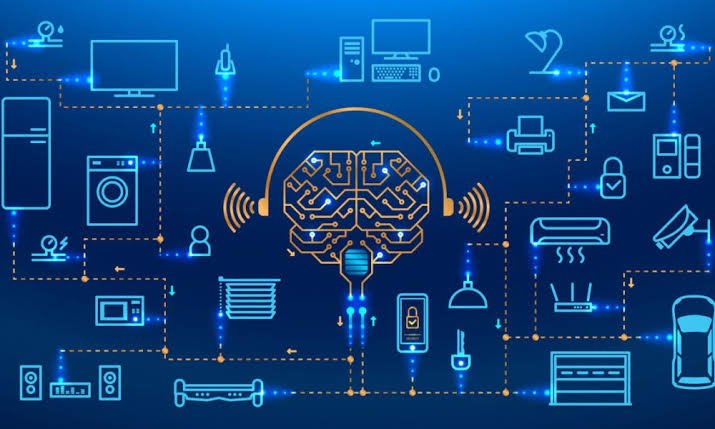
How Embedded Systems Improve Production Efficiency in Modern Industries
Modern industries are under constant pressure to produce more, waste less, and deliver faster. Whether it is a manufacturing plant, packaging line, warehouse, food processing unit, or industrial automation setup, every business wants smoother operations and better control over production.
But efficiency does not come only from adding more workers or buying bigger machines. In many cases, the real improvement comes from smarter control, better monitoring, faster decision-making, and reliable machine-to-machine communication.
This is where embedded systems play a major role.
An embedded system is a dedicated electronic system designed to perform a specific function inside a machine, device, or industrial process. It may be a small microcontroller-based board, a sensor control unit, a firmware-driven machine controller, or a complete industrial embedded system connected to the cloud.
For modern production environments, embedded systems are no longer optional. They are becoming the hidden technology behind reliable machines, smart factories, automated production lines, industrial IoT devices, and connected control systems.
At DevoForge, we help businesses develop embedded systems, firmware, PCB hardware, and IoT-connected devices that support real industrial operations and production-ready products.
What Is an Embedded System for Production?
An embedded system for production is a hardware and software solution built to control, monitor, or automate part of a production process.
Unlike general computers, embedded systems are designed for specific industrial tasks. They can control motors, read sensors, manage temperature, count products, monitor machine status, track material flow, operate pumps, collect data, or communicate with other machines.
For example, an embedded system may be used in:
- A conveyor control system
- A smart weighing machine
- A production counter
- A temperature monitoring device
- A packaging automation unit
- A motor control system
- An industrial IoT sensor device
- A machine health monitoring system
- A custom automation controller
- A smart energy monitoring device
The purpose is simple: make the production process more accurate, stable, and efficient.
In older production environments, many tasks depend heavily on manual checking, operator judgment, and basic machine controls. This can work for small operations, but as production grows, problems start appearing.
Machines may stop without proper fault reporting. Operators may not know the exact reason for downtime. Product counting may be inaccurate. Temperature or pressure changes may be noticed too late. Quality issues may only appear after a batch is already completed.
Embedded systems help solve these problems by giving machines intelligence.
They allow equipment to sense, decide, control, and communicate. This means the machine is not just running blindly. It is constantly collecting information, responding to conditions, and helping the business maintain better control over production.
This is one reason many businesses work with an embedded software development company when they want to build smarter, more reliable industrial products.
How Embedded Systems Improve Production Efficiency
Production efficiency means getting better output with less waste, less downtime, fewer errors, and better use of machines and labor. Embedded systems support this in several practical ways.
1. Real-Time Machine Monitoring
One of the biggest benefits of embedded systems is real-time monitoring.
In production, small delays can become expensive. If a machine stops for 20 minutes and no one notices immediately, the entire line may slow down. If temperature rises above the safe range, product quality may suffer. If a motor is overloaded, the system may fail.
An embedded system can monitor machine conditions continuously. It can read sensors, detect abnormal behavior, trigger alarms, and send data to an HMI, dashboard, mobile app, or cloud platform.
This helps operators and managers respond faster.
For example, instead of waiting for a machine failure, a smart embedded controller can detect unusual vibration, high current, low pressure, or temperature variation before the issue becomes serious.
2. Reduced Human Error
Manual work often creates errors, especially in repetitive production tasks. Counting products, checking readings, adjusting machine settings, or recording data manually can lead to mistakes.
Embedded systems reduce these errors by automating measurement, control, and reporting.
A sensor-based embedded system can count items more accurately than manual counting. A firmware-controlled system can maintain consistent timing. A microcontroller can read values and make decisions faster than a person can.
This improves consistency and reduces the cost of mistakes.
For industries where quality matters, such as food processing, packaging, electronics, pharmaceuticals, and manufacturing, this level of accuracy is extremely valuable.
3. Better Machine Control
Every production line depends on control. Motors need to start and stop at the right time. Valves need to open and close accurately. Pumps need to run under safe conditions. Conveyors need to move at the right speed. Sensors need to trigger the correct response.
Embedded systems provide this control.
With custom embedded software, machines can follow defined logic and respond automatically to changing conditions. This improves process stability and reduces unnecessary operator involvement.
For example, an embedded controller can automatically adjust motor speed based on load, stop a machine when a safety sensor is triggered, or activate a cooling fan when temperature crosses a set limit.
These small automated decisions improve the overall flow of production.
4. Lower Downtime
Downtime is one of the biggest enemies of production efficiency. Every minute of machine stoppage can affect output, delivery time, and operating cost.
Embedded systems help reduce downtime by improving fault detection, diagnostics, and preventive monitoring.
Instead of a simple “machine stopped” situation, an embedded system can tell the operator why the machine stopped. It may show whether the issue is sensor failure, motor overload, low pressure, high temperature, communication loss, or power fluctuation.
This makes troubleshooting faster.
When embedded systems are connected with industrial IoT platforms, businesses can also monitor machines remotely and collect historical data. This helps maintenance teams identify repeated faults and plan better maintenance schedules.
5. Improved Product Quality
Quality depends on consistency. If temperature, speed, pressure, timing, or material flow keeps changing, the final product may not remain consistent.
Embedded systems help maintain controlled production conditions.
They can monitor process values, control machine actions, and alert operators when something goes outside the acceptable range. This helps prevent defective products and reduces waste.
For example, in a packaging line, an embedded system can ensure that each product is counted, weighed, sealed, and labeled correctly. In a temperature-sensitive process, it can maintain stable heating or cooling. In a filling system, it can help control quantity and timing.
The result is better quality and fewer rejected products.
6. Smarter Data Collection
Many production facilities still rely on manual records or scattered machine readings. This makes it difficult to understand what is really happening on the floor.
Embedded systems can collect production data automatically.
This data may include machine runtime, downtime, production count, temperature, pressure, speed, energy use, fault history, and operator actions.
When this data is sent to a dashboard or cloud system, managers can see useful insights, such as:
- Which machine stops most often
- Which shift produces more
- Where production slows down
- How much energy is being used
- Which faults repeat frequently
- Whether production targets are being met
This turns production from guesswork into measurable performance.
7. Easier Integration with Automation Systems
Embedded systems often work together with PLCs, SCADA systems, HMIs, sensors, industrial networks, and IoT platforms.
This makes them important for industrial automation and smart manufacturing.
A custom embedded device can act as a bridge between old machines and modern software. It can collect data from sensors, communicate with a PLC, connect to the cloud, or provide a local control interface.
This is especially useful for companies that want to modernize existing equipment without replacing everything.
Many embedded software companies help businesses build these custom devices for machine automation, industrial IoT, and production monitoring.
Why Businesses Need an Embedded Software Development Company
Developing a reliable embedded system is not the same as building a normal software application. Embedded development requires a strong understanding of hardware, firmware, electronics, sensors, communication protocols, power management, testing, and real-world operating conditions.
A professional embedded software development company can help businesses move from idea to production-ready system.
This may include:
- Requirement analysis
- Microcontroller selection
- Embedded firmware development
- PCB design and testing
- Sensor integration
- Communication protocol development
- IoT connectivity
- Prototype development
- Product testing
- Production optimization
- Firmware updates and long-term support
Choosing the right development partner is important because embedded systems often operate in demanding environments. They must be stable, reliable, and designed for long-term use.
A weak embedded design can cause random failures, inaccurate readings, poor performance, overheating, communication issues, or difficult maintenance.
A strong design helps the product work reliably in the field.
Embedded Systems from Prototype to Production
Many businesses start with a prototype. The prototype may prove that the idea works, but production requires a higher standard.
A production-ready embedded system must be reliable, tested, manufacturable, and suitable for real operating conditions.
This includes:
- Stable firmware
- Reliable PCB layout
- Proper enclosure planning
- Electrical safety considerations
- Accurate sensor calibration
- Power protection
- Communication stability
- Field testing
- Easy maintenance
- Firmware upgrade options
This is why businesses should not treat embedded development as only a coding task. It is a complete engineering process.
At DevoForge, we focus on developing embedded systems that are practical, scalable, and ready for real-world use.
How DevoForge Supports Embedded System Development
DevoForge provides embedded software and hardware development services for businesses that need reliable industrial and production-ready solutions.
Our work can include embedded firmware development, PCB design, industrial IoT device development, sensor-based automation, machine control systems, data monitoring devices, and prototype-to-production engineering.
Whether a business needs a smart monitoring device, a custom machine controller, an IoT-connected industrial product, or a complete embedded system for production, DevoForge can help design and develop the right solution.
The focus is always on practical performance: the system should work reliably, solve the real problem, and support the business as it grows.
Final Thoughts
Embedded systems are at the heart of modern industrial efficiency. They help machines become smarter, production lines become more reliable, and businesses gain better control over their operations.
From real-time monitoring and automatic control to better data collection and reduced downtime, embedded systems improve production efficiency in ways that are both practical and measurable.
For businesses planning to develop a new industrial product, upgrade existing machines, or build a smart production system, working with an experienced embedded software development company can make the process smoother and safer.
DevoForge helps businesses build embedded systems for production, industrial automation, IoT devices, and custom machine control. With the right embedded solution, modern industries can work faster, reduce errors, improve quality, and prepare for the future of smart manufacturing.